
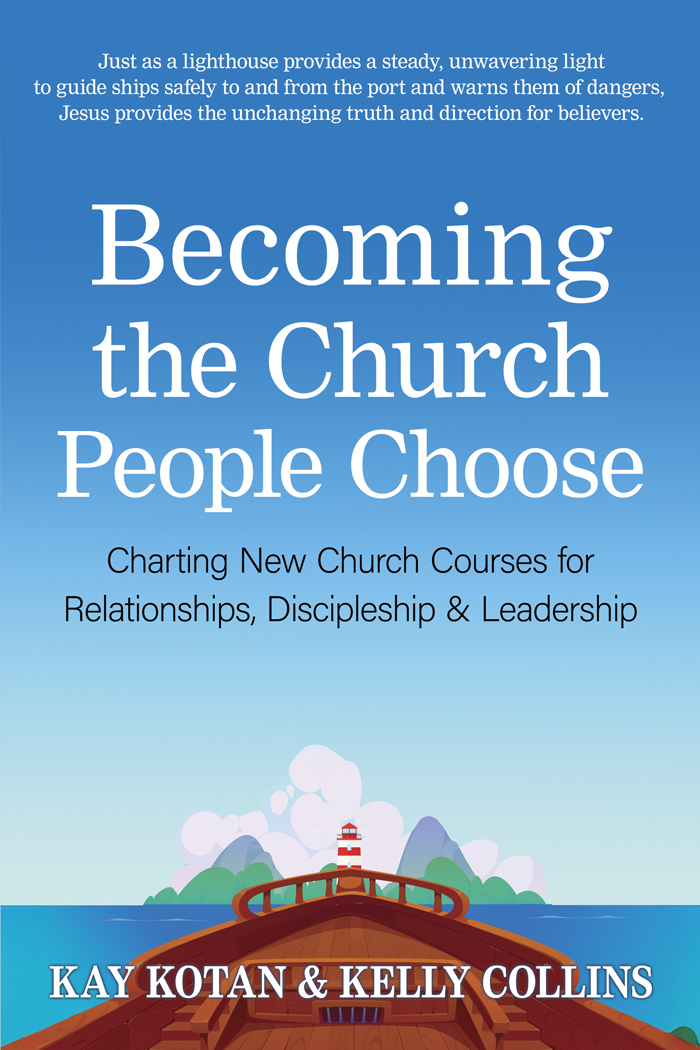

7 Soft Skills Every Vital Church Leader Needs to Inspire, Influence, and Grow
Leading a church effectively isn’t just about strategy, vision, or administrative skill—it’s about who you are as a leader. In today’s complex, ever-changing ministry landscape, soft skills often make the difference between a thriving congregation and a frustrated, disengaged church. Vital church leaders cultivate a set of core interpersonal skills that inspire trust, foster connection, and drive long-term mission impact.
1. Authenticity
Church leaders must lead with integrity and transparency. Authenticity builds trust, encourages openness, and models the honesty that the congregation and team members need to thrive spiritually and relationally. People follow leaders who are real, not just “perfect on paper.”
2. Empathy
Empathy is the ability to understand and feel what others are experiencing. Leaders who practice empathy create safe spaces where staff, volunteers, and congregants feel seen and valued. This skill is essential for conflict resolution, pastoral care, and fostering a compassionate church culture.
3. Resilience
The ministry is filled with highs and lows, successes and setbacks. Resilient leaders maintain focus, energy, and hope in challenging seasons. They model perseverance, encouraging their teams to navigate uncertainty with faith and courage.
4. Humility
Humility allows leaders to recognize that leadership is a shared journey. Humble leaders listen, learn, and elevate others, creating an environment where gifts are nurtured and collaboration flourishes. Pride may alienate, but humility draws people in.
5. Accountability
Vital leaders hold themselves and their teams accountable for decisions, outcomes, and behavior. Accountability ensures consistency, fairness, and integrity in leadership practices, establishing a culture of trust and reliability throughout the church.
6. Communication
Clear, compassionate communication is the lifeblood of effective ministry. Leaders who communicate well articulate vision, align teams and resources, and provide meaningful feedback. They listen actively, convey expectations, and inspire action through clarity and encouragement.
7. Optimism
Optimism is the energy that propels vision into action. Leaders who maintain a hopeful, forward-looking perspective motivate their teams, foster resilience, and model faith in God’s promises. Optimism is contagious—it encourages people to engage fully, even in difficult circumstances.
These soft skills are not optional—they are essential for church leaders who want to cultivate thriving congregations, empowered teams, and spiritually growing communities. While technical skills and knowledge are important, it is the relational, emotional, and character-driven aspects of leadership that create a lasting impact.
Developing authenticity, empathy, resilience, humility, accountability, communication, and optimism isn’t a one-time task—it’s a lifelong journey. But leaders who prioritize these qualities equip themselves to inspire, influence, and guide the church effectively, ensuring that ministry is not just maintained but multiplied.
By cultivating these skills, church leaders can foster a culture where people feel valued, heard, and empowered—ultimately creating a healthier, more vibrant church that fulfills its mission and impacts the community for Christ.