
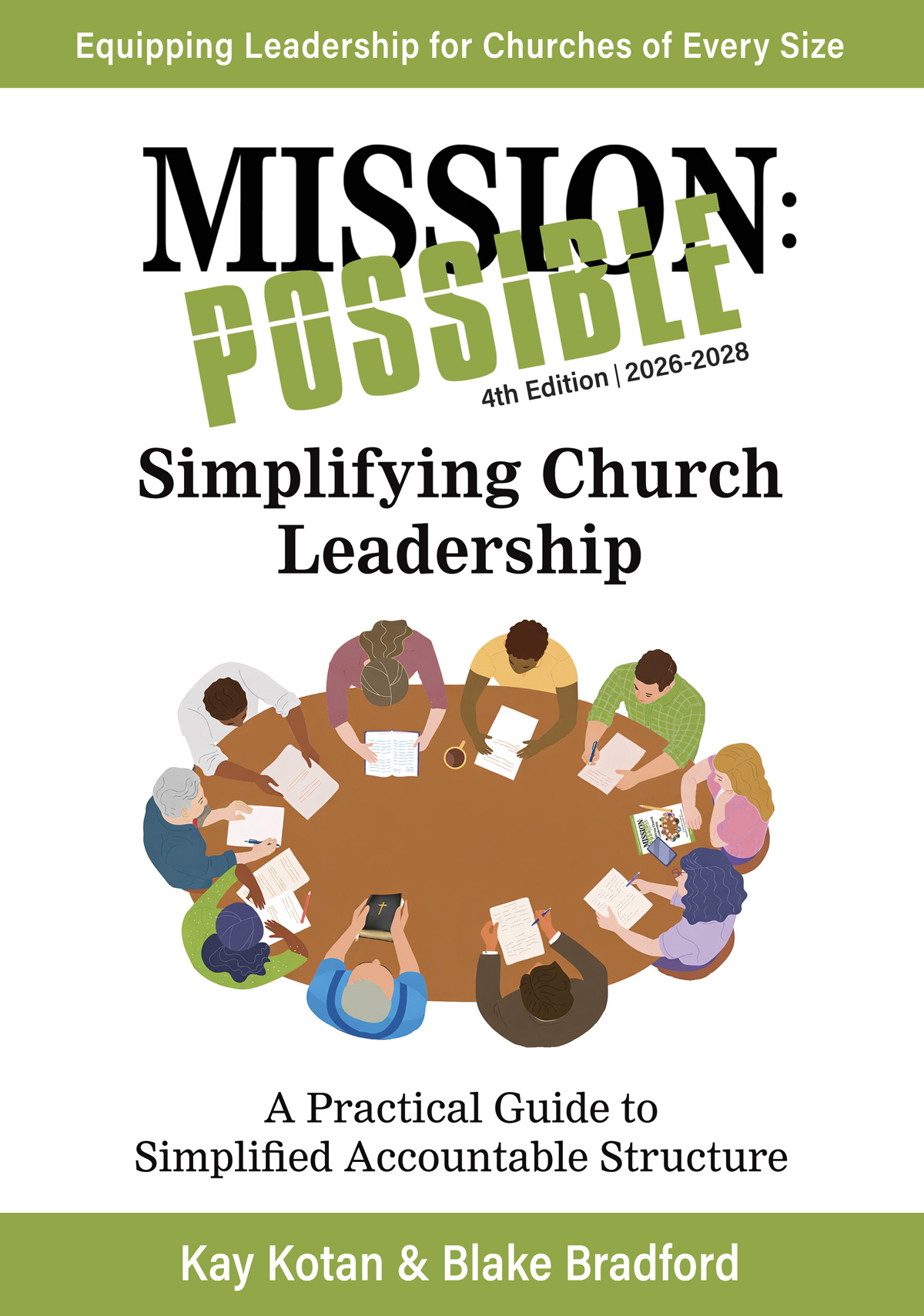

The Secret to a Healthy Church Culture: Listening to All Voices
A thriving church is more than its programs or attendance—it’s a reflection of a healthy, equitable culture. When leaders intentionally create a culture that values all voices, the entire congregation benefits. Staff, servant leaders, ministry team leaders, and congregants feel respected, heard, and empowered to contribute to God’s mission.
Churches that value every voice prioritize trust and respect. People know that their input matters, regardless of their role or tenure. This encourages open dialogue, innovation, and a sense of ownership in ministry decisions. When team members feel safe to speak authentically, creativity and collaboration flourish.
Active listening is essential. Leaders must intentionally seek feedback, ask thoughtful questions, and reflect on what they hear. Listening is more than hearing words—it’s understanding perspectives and responding with care. This fosters belonging and ensures that diverse viewpoints shape ministry strategies and decisions.
Equity is also key.Opportunities, and recognition should be based on merit, effort, and impact, not favoritism or hierarchy. When people see fairness in action, trust deepens, and engagement rises.
A culture that values all voices also embraces respectful challenges. Healthy debate strengthens ideas, uncovers blind spots, and refines decision-making. Leaders should encourage questions and differing opinions, ensuring discussions are constructive and mission-focused.
Finally, celebrating contributions, regardless of size or visibility, reinforces inclusion. Recognition communicates that every role matters in the church’s work—building discipleship, serving the community, and advancing God’s mission.
When church leaders intentionally foster a culture that values all voices, the organization thrives. People feel seen, relationships strengthen, and ministries are more effective. Ultimately, valuing every voice aligns with Christ’s example of love, humility, and servant leadership—ensuring the church grows healthy, vibrant, and united in purpose.