
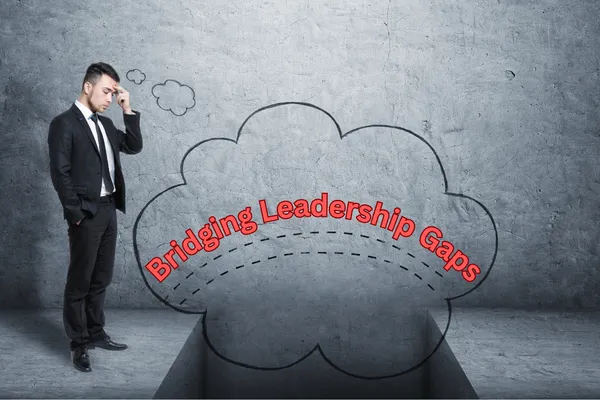
Bridging the Top 7 Leadership Gaps That Hold Organizations Back
Strong leadership is the backbone of any thriving organization, but even seasoned leaders can fall short in critical areas. Recognizing and addressing leadership gaps is essential to drive production, foster engagement, and build a resilient culture. Here are the seven most common leadership gaps and why they matter:
1. Failure to Communicate
Clear communication is the cornerstone of effective leadership. Leaders who fail to articulate expectations, goals, or changes leave teams confused, disengaged, and prone to mistakes. Poor communication erodes trust and slows decision-making.
2. Lack of Accountability
When leaders don’t hold themselves or their teams accountable, performance suffers. Without accountability, mediocrity can become the norm, deadlines are missed, and employees lose motivation to deliver their best work.
3. Fear of Firing
Avoiding tough personnel decisions may seem compassionate, but retaining underperforming employees (and even volunteer servant leaders) can drag down team morale, create resentment, and hinder organizational growth. Courageous leadership requires making difficult choices for the greater good.
4. Lack of Alignment
Teams perform best when everyone is working toward the same goals. Misalignment between departments (ministries), priorities, or strategies creates confusion, duplicated effort, and wasted resources. Leaders must ensure that vision, strategy, and execution are connected.
5. Lack of Clear Vision
Without a clear vision, teams drift without direction. Leaders who fail to define a compelling future struggle to inspire and motivate, leaving staff (and ministry team leaders) uncertain about purpose and priorities.
6. Poor Execution
Even the best strategies fail without proper execution. Leaders must translate vision into actionable plans, assign responsibilities, track progress, and adjust when necessary. Execution gaps often stem from inadequate planning or insufficient follow-through.
7. A Company Culture by Default
Culture doesn’t just happen—it’s shaped by leadership behaviors, decisions, and priorities. Leaders who neglect culture risk creating a workplace defined by frustration, low engagement, or stagnation rather than intentional values and behaviors.
Closing Thoughts
Leadership gaps aren’t just weaknesses—they’re opportunities. By identifying these seven critical areas, leaders can take intentional steps to communicate better, hold teams accountable, make tough decisions, align priorities, clarify vision, execute effectively, and shape a thriving culture. The result is a more resilient, motivated, and high-performing organization that achieves its goals while empowering its people.