
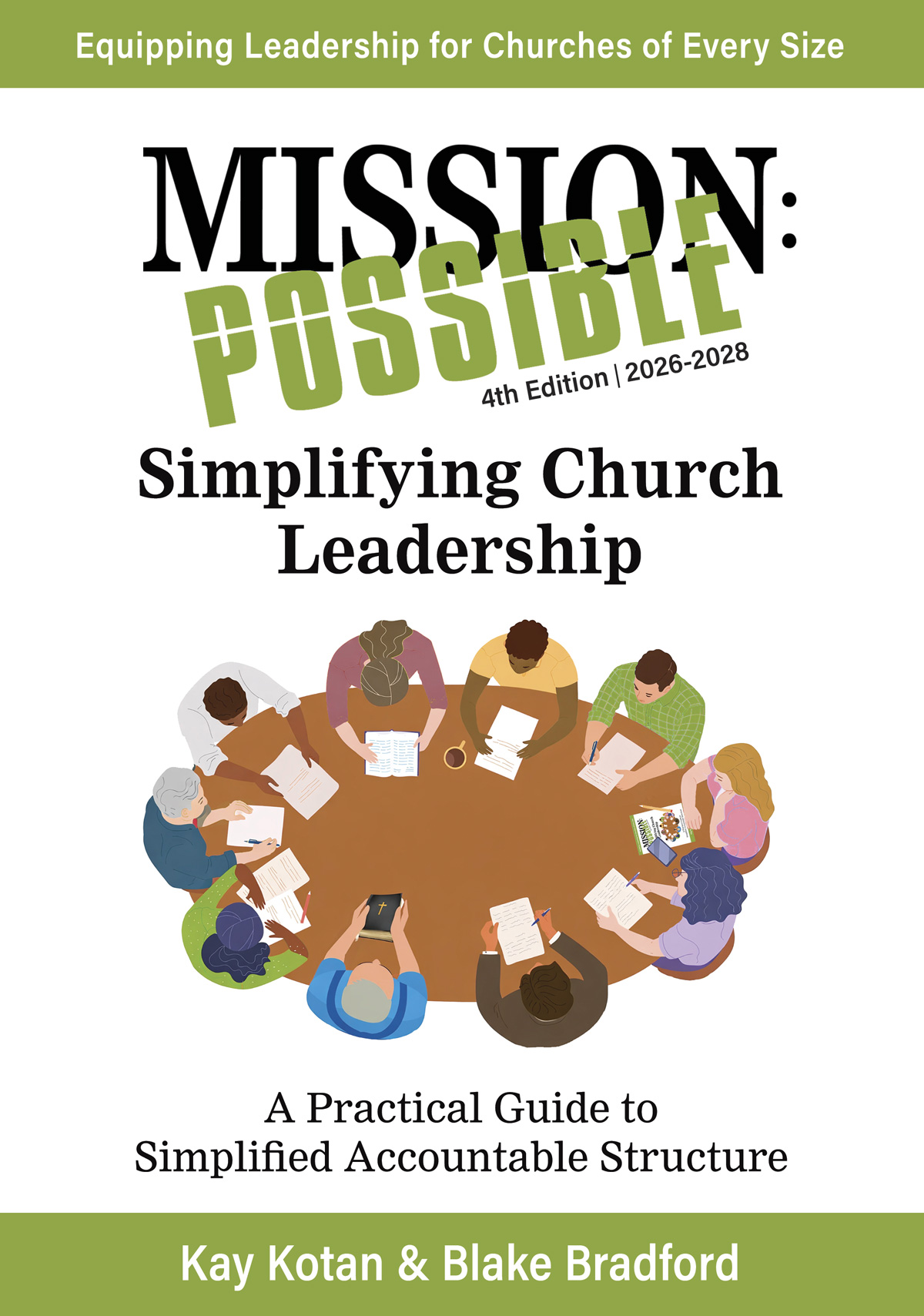

The Church Leadership Crisis: Why Strong Leaders Are More Needed Than Ever
The church is facing a leadership crisis. Across denominations, pastors and ministry leaders are confronting unprecedented challenges: declining attendance, volunteer burnout, digital distractions, and societal shifts that make ministry more complex than ever. The need for strong, adaptable, and visionary leaders has never been greater.
Key Dimensions of the Crisis
Leadership Gaps: Many churches struggle with leaders who lack strategic vision, clear communication, or the ability to hold staff and volunteers accountable. These gaps often result in inconsistent ministry outcomes and disengaged congregations.
Burnout and Turnover: Pastors and ministry leaders are reporting high levels of stress and burnout. The pressure to meet financial, spiritual, and organizational demands often leads to early departures and leadership instability.
Resistance to Change: Churches that cling to traditional models without adapting to cultural or technological shifts risk stagnation and decline. Leaders who avoid innovation struggle to engage younger generations and address evolving community needs.
Lack of Training and Coaching: Many leaders are left to navigate complex challenges on their own. Without mentorship, coaching, or professional development, leaders miss opportunities to grow in emotional intelligence, strategic planning, and conflict resolution.
Cultural and Societal Pressures: Increasing polarization, shifting values, and societal skepticism toward institutions place additional demands on church leaders to be morally courageous, culturally aware, and relationally agile.
Why It Matters
Leadership is the heartbeat of a church. When leaders falter, the entire congregation feels the ripple effects: ministries stall, volunteers disengage, and mission impact diminishes. Conversely, empowered, well-equipped leaders inspire communities, foster spiritual growth, and build resilient churches ready to navigate uncertainty.
Moving Forward
Addressing this crisis requires intentional investment in leadership development. Churches must prioritize coaching, mentorship, and continuing education for pastors and ministry leaders. They must cultivate leaders who are emotionally intelligent, adaptable, and capable of guiding their congregations through both challenges and opportunities. The future of the church depends on it.