
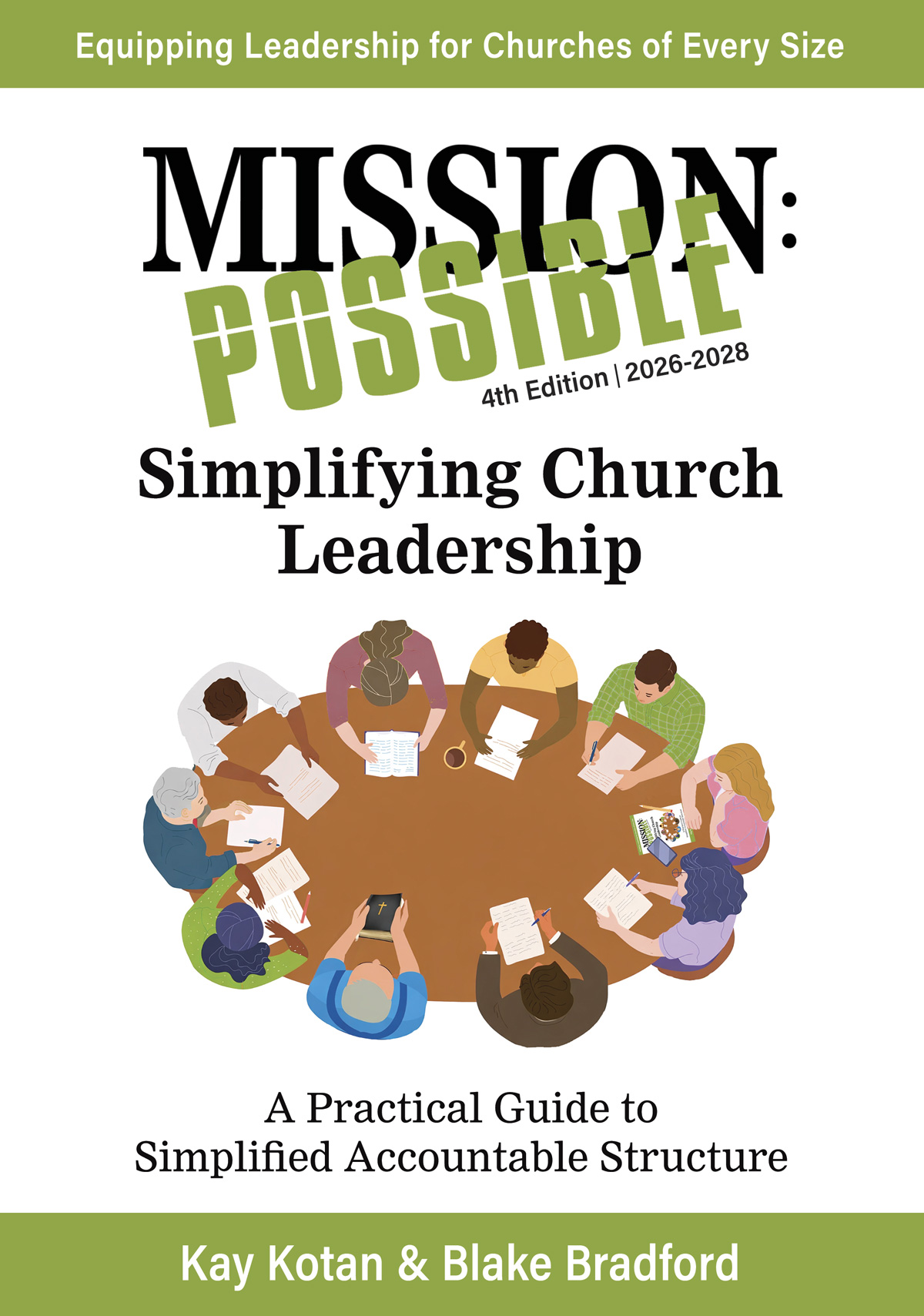

6 Leadership Styles Every Church Leader Must Understand to Lead Effectively
Leading a church is about more than preaching from the pulpit and attending committee meetings—it’s about guiding people, cultivating teams, and fostering an environment where both staff and disciples can thrive. Yet even the most committed leaders can unknowingly push their best talent away through certain leadership habits or blind spots. Understanding different leadership styles—and how they impact engagement, growth, and morale—is critical for building a healthy, mission-driven church. By recognizing these styles, leaders can adapt, connect, and inspire their teams to fulfill the church’s mission with excellence.
Description: A single leader makes all decisions without input from the group.
Best For:
Crises and Emergencies: When immediate, quick decisions are essential, such as in military operations or disaster management.
Situations Requiring Strict Control: Where clear, unwavering focus and execution of a strategy are paramount.
Challenges: Can result in low morale and creativity and direction is lost when leader leaves
Description: Leaders encourage team members to participate in decision-making, valuing diverse input and fostering collaboration.
Best For: Fostering a supportive work culture and adapting to changing environment
Challenges: Time-consuming due to the process of building consensus
Description: Focuses on inspiring, empowering, and motivating teams to achieve a shared vision and setting high expectations
Best For: Driving long-term change and vitality and for building trust and commitment
Challenges: Can lead to a lack of focus on operational details, heavily reliant on the leaders’ personality, vision, and skills
Description: A leader's primary motivation is to serve and support their team, prioritizing the well-being and growth of their people.
Best For: Building strong, empowered, resilient, & high-performing teams
Challenges: Takes time to develop
Delegative Leadership
Description: A hands-off approach where leaders provide minimal guidance, allowing team members significant autonomy and freedom.
Best For: Managing highly skilled and motivated teams
Challenges: May lead to confusion and lack of clarity if roles and responsibilities are not clearly defined
Accountable Leadership
Description: A practice of leaders taking ownership for their decisions, action, and outcomes through responsibility and authority
Best For: Creates a high-trust culture, improves team performance and results, enhances decision-making, and makes it easier to navigate change
Challenges: Vague goals, roles, and responsibilities lead to confusion and make accountability impossible. Requires a persistent effort to shift mindsets and establish new norms.
Effective church leadership isn’t static—it evolves with your team, your congregation, and the culture around you. By reflecting on your leadership style and its impact on those you lead, you can proactively address blind spots, nurture growth, and create a culture where people feel valued, challenged, and inspired. Strong leadership transforms not only your team but the entire church, ensuring that your mission thrives today and for generations to come.