

From Programs to Pathways: Guiding Disciples on a Clear Journey of Growth
Every follower of Jesus is on a journey—but too often, churches fail to provide a clear map for that journey. Without intentional direction, discipleship can become accidental, fragmented, or even stagnant. That’s why developing a discipleship pathway is essential. It provides a shared understanding of what it means to grow as a disciple and offers practical next steps to guide people along the way.
Creating a discipleship pathway doesn’t require perfection—it requires intentionality. Too many churches get stuck trying to design the “perfect” pathway, losing valuable time while people drift spiritually. The truth is, it’s more important to have a pathway than to have a flawless one. Pathways can evolve. The key is to start with clarity about the destination—deepening discipleship—and build a process that moves people in that direction.
A clearly defined and aligned discipleship pathway brings missional alignment and focus to the church. It helps every ministry, meeting, and decision center on the same purpose: making and growing disciples of Jesus Christ. When everyone is clear about the journey, ministries stop competing for time and resources and begin working together toward shared spiritual outcomes.
But discipleship doesn’t stand alone. Churches thrive when they develop overlapping pathways for relationships, discipleship, and leadership—three interwoven journeys that shape a healthy, multiplying congregation. Each pathway should include vitality markers that help track growth and celebrate progress. Are people forming authentic relationships? Are they deepening in their walk with Christ? Are new leaders emerging and being equipped? These markers keep the church focused on transformation rather than mere activity.
For pathways to produce real impact, they must be supported by intentional systems and ministries. Systems provide the structure; ministries provide the movement. Systems such as a discipleship pathway, a leadership development process, and relational connection points create the framework that supports growth. Within that framework, teams like evangelism, discipleship, and leadership development drive the work forward.
In the United Methodist tradition, for example, the nominations committee are intended to function as the leadership development team, intentionally identifying and nurturing leaders rather than simply filling roles. A discipleship team can help people discern where they are on their spiritual journey and point them toward opportunities for growth. An evangelism team can ensure the church continues to reach outward, inviting new people into the journey.
When these systems and ministries are aligned around a shared discipleship pathway, the church moves from maintenance to mission. The result is not just more activity—it’s more fruit. Disciples become more like Jesus, leaders are equipped to multiply ministry, and relationships deepen within and beyond the church.
In a world searching for meaning and connection, clarity is a gift. A discipleship pathway gives that clarity—guiding each person, step by step, toward becoming a fully devoted disciple of Jesus Christ.
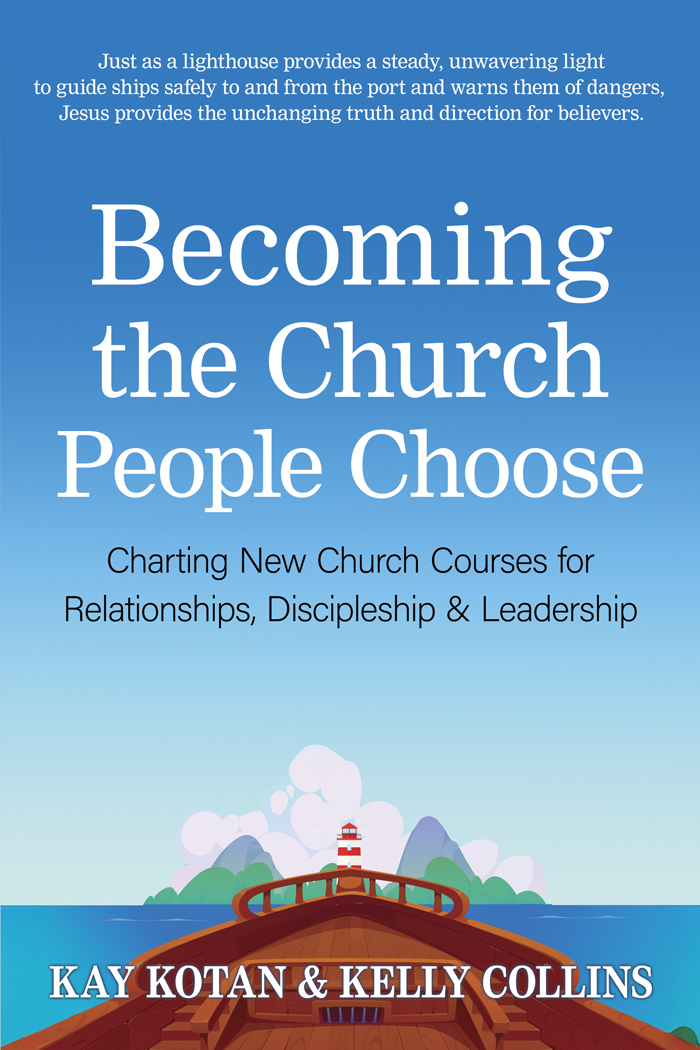
Offered here are themes and excerpts from our book, Becoming the Church People Choose: Charting New Church Courses for Relationships, Discipleship, & Leadership that will be released on March 5, 2026, but you can preorder your copies now.