
Transforming Church Leadership: How the Nominations Committee Shapes a Vital Church Culture
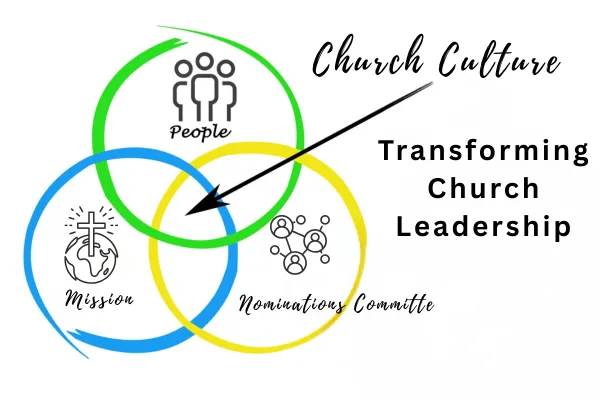
For many churches, fall means recruiting new leaders. Often, this is seen as “arm-twisting season” or a scramble to complete charge conference paperwork. But in churches striving for a healthy, mission-driven leadership culture, the Committee on Nominations and Leadership Development is far more than a short-term administrative function—it’s the foundation for developing spiritually mature, missionally effective, and committed leaders.
Traditionally, nominations focus on professional expertise—finance, real estate, HR—but this approach can miss the most critical factor: spiritual maturity and missional focus. Leaders in administrative positions must first be disciples who prioritize the church’s mission. Professional skills are helpful but secondary. Without spiritually grounded leaders, decisions may drift away from discipleship and mission, leaving churches struggling to fulfill their calling.
The nominations’ process is one of discernment, not speed or paperwork completion. Leaders should be invited to complete interest forms, participate in holy conversations about the potential leadership role, and reflect on their gifts, spiritual practices, and sense of calling. This ensures that those nominated are engaged, committed, and aligned with the church’s vision.
The Committee on Nominations also plays a year-round leadership development role, not just a seasonal task. Its work shapes future leaders, equips them for ministry, and ensures alignment across the church’s governance structures. Leadership development starts with equipping ministry leaders who identify, recruit, equip, and deploy disciples for ministry. Leaders model spiritual leadership, guide committees, and influence the broader congregation.
Shifting the focus from professional expertise to spiritual maturity is a critical step in creating a healthy, mission-focused leadership board culture. It allows churches to raise leaders who can make decisions through the lens of discipleship, ensuring that the mission of making disciples remains central.
As John Maxwell says, “The single biggest way to impact an organization is to focus on leadership development.” By rethinking nominations and prioritizing spiritual maturity, churches invest in a leadership culture that is resilient, engaged, and Kingdom-focused.